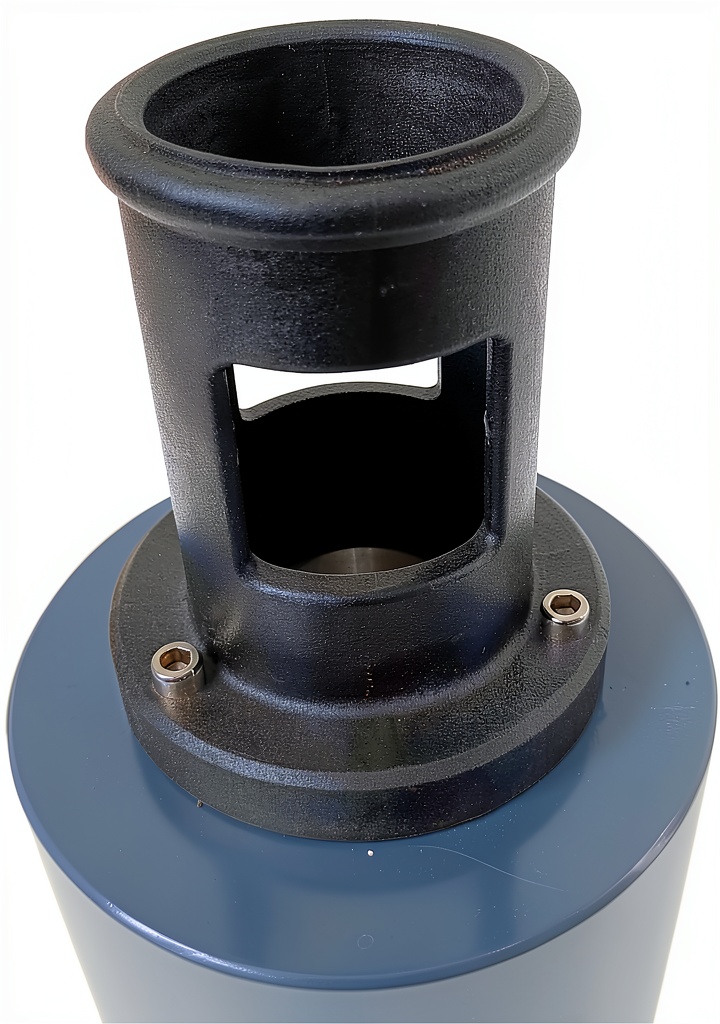
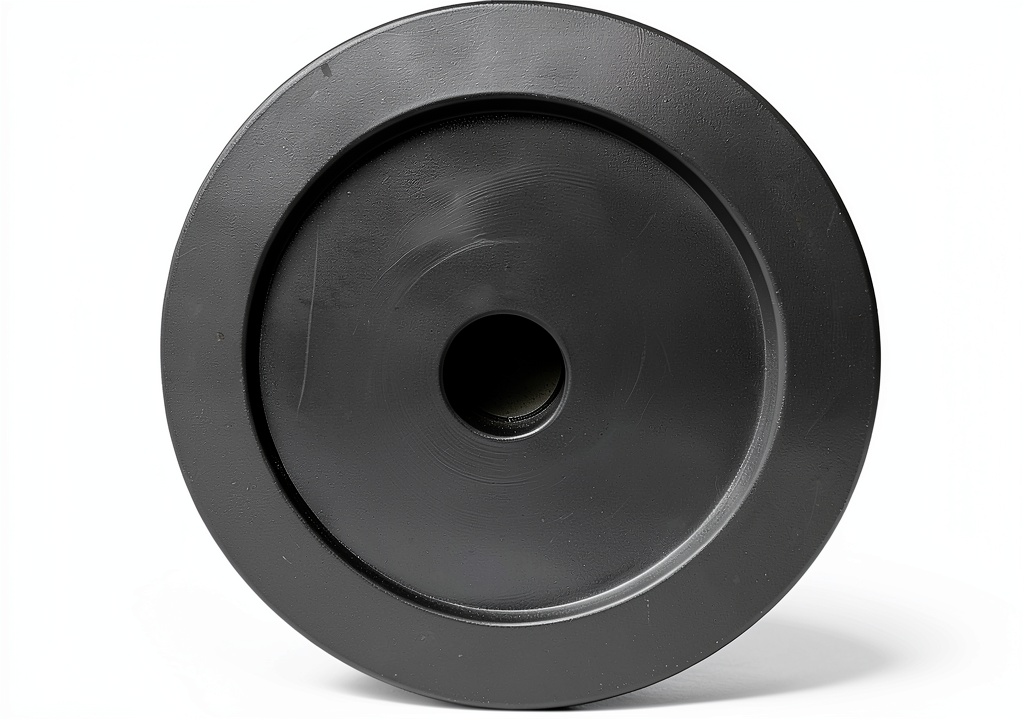

Description
Product Overview
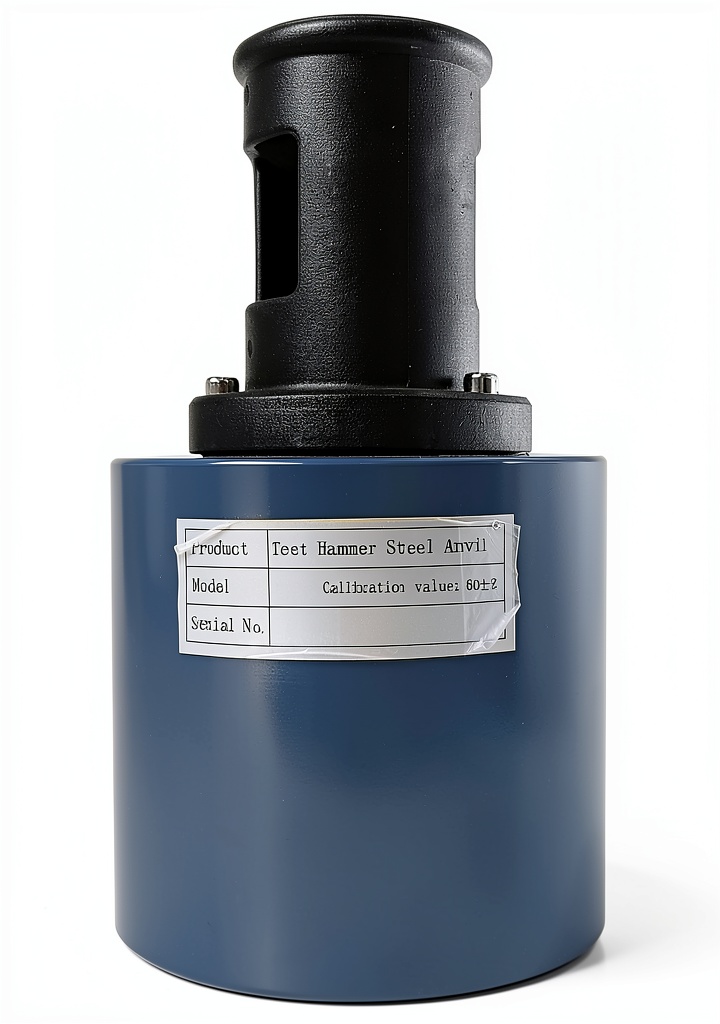
The VTSYIQI Test Anvil is engineered as a premium calibration instrument for concrete and mortar rebound hammers. Constructed from high‑grade alloy steel for both the head and handle, the anvil delivers exceptional rigidity with a measured hardness of HRC58‑62. The flat head surface is meticulously polished to a mirror finish, providing a consistent rebound area that meets industry standards for accuracy. Measuring 9.84 x 7.87 x 5.91 inches and weighing 41.8 pounds, the large‑size anvil offers a stable footprint that resists movement during testing, ensuring repeatable results even in demanding field conditions. The textured grip on the alloy‑steel handle enhances operator control, while the white finish adds visibility on dusty job sites. Designed in a German style, the anvil reflects VTSYIQI’s commitment to precision engineering and durability.
The anvil’s specifications include a UPC of 763659573188 and an ASIN of B08GZJ48Z3, confirming its authenticity and traceability within supply chains. Its part number, listed as VETUS INSTRUMENTS, aligns with VTSYIQI’s product catalog, facilitating easy ordering and inventory management. The instrument is not discontinued and remains available for purchase, offering a reliable solution for professionals who require calibrated rebound testing equipment. With a best‑sellers rank of #2,277,332 in Tools & Home Improvement and #76 in Hammer Holsters, the test anvil has earned a niche reputation among specialists who value its performance and build quality.
![[Product front view showing all components]](https://www.mysticgo.store/wp-content/uploads/2026/06/528b680362d540269bb673b33f704b31.jpg)
Usage
The VTSYIQI Test Anvil is intended for use on a level, dry surface where the rebound hammer can be positioned directly over the calibrated area. Field technicians, laboratory analysts, and quality‑control engineers place the anvil on a stable base, strike the hammer head, and read the rebound value. The instrument’s large size and weight help to dampen vibrations, reducing the influence of external factors such as wind or uneven ground. It is suitable for on‑site concrete strength verification, mortar mix assessment, and routine calibration of rebound hammers in construction, civil‑engineering, and forensic‑inspection projects.
Proper storage of the anvil in a dry, dust‑proof environment prolongs its service life. Users should protect the polished surface from scratches and collisions, as any damage can affect rebound consistency. After extensive use, the surface can be re‑polished to restore its original smoothness, provided the core hardness remains within the HRC58‑62 range. The instrument does not require batteries or external power, making it a self‑contained tool that can be deployed in remote locations without additional equipment.
Why Choose Us
VTSYIQI’s reputation for manufacturing high‑precision testing equipment is backed by decades of experience in metallurgical engineering. Each test anvil undergoes rigorous quality‑control inspections, including hardness testing, dimensional verification, and surface finish assessment, to guarantee that the product meets the exacting standards required for calibrated rebound measurements. The alloy‑steel composition is selected for its superior wear resistance, ensuring that the anvil maintains its performance over thousands of test cycles.
In addition to the robust construction, VTSYIQI provides comprehensive after‑sales support, including technical assistance, calibration guidance, and replacement parts. Customers benefit from a responsive service team that can address inquiries about proper usage, maintenance procedures, and troubleshooting. The company also offers documentation such as calibration certificates and user manuals, helping users achieve compliance with industry testing protocols and regulatory requirements.
Key Features
- High‑grade alloy steel head and handle deliver exceptional durability and HRC58‑62 hardness for reliable rebound readings.
- Flat, mirror‑polished surface ensures consistent contact and accurate calibration across thousands of tests.
- Large, weighted design provides stability on uneven terrain, minimizing external vibration interference.
- Textured grip enhances operator control, reducing slippage during repetitive hammer strikes.
- Dedicated VTSYIQI customer support offers technical assistance, calibration documentation, and parts replacement.
FAQ
How often should the test anvil surface be re‑polished?
The surface can be re‑polished after every 5,000 to 8,000 hammer impacts, or sooner if visual wear or scratches appear. Maintaining the HRC58‑62 hardness of the core is essential; if the core hardness falls outside this range, the anvil should be retired.
Can the test anvil be used with both concrete and mortar rebound hammers?
Yes, the anvil is calibrated for both concrete and mortar testing. It provides accurate rebound values for each material when the hammer is positioned correctly and the anvil is placed on a level surface.
What environmental conditions are recommended for storage?
Store the anvil in a dry, dust‑free environment away from direct sunlight and extreme temperature fluctuations. Protect the polished surface with a soft cover or case to prevent accidental impacts.
Is any special training required to operate the test anvil?
No special training is required beyond standard safety procedures for rebound hammer operation. However, users should familiarize themselves with the manufacturer’s calibration guidelines to ensure optimal accuracy.
Technical Specifications
The VTSYIQI Test Anvil conforms to international calibration standards and includes detailed specifications that support precise testing. The head and handle are forged from a single alloy‑steel billet, resulting in a homogeneous grain structure that resists deformation under repeated impact. Hardness testing confirms a Rockwell C rating between 58 and 62, a range that balances surface resilience with sufficient elasticity for rebound measurement. The flat head measures 9.84 inches in length, 7.87 inches in width, and 5.91 inches in height, providing a generous contact area that accommodates various hammer tip sizes. Weighing 41.8 pounds, the anvil’s mass contributes to its inertial stability, reducing the effect of external vibrations. The textured grip is ergonomically contoured to fit a range of hand sizes, and the white coating is formulated to resist corrosion and UV degradation. All dimensions are verified with calibrated measuring equipment, and the product carries a UPC of 763659573188 and an ASIN of B08GZJ48Z3 for inventory tracking.
Performance Benefits
The calibrated surface of the VTSYIQI Test Anvil delivers consistent rebound values that translate directly into reliable concrete compressive strength estimates. By eliminating variability caused by uneven anvil placement or surface wear, technicians can achieve tighter tolerance bands, typically ±2 percent of the target rebound value. This precision reduces the need for redundant testing, saving time and labor on large construction projects. The anvil’s robust alloy‑steel construction also extends service life, allowing thousands of test cycles before any material fatigue is observed. Its large size accommodates a wide range of hammer tip diameters, making it versatile for both small‑scale laboratory assessments and extensive field surveys. The white finish enhances visibility in dusty environments, ensuring the testing surface remains clearly identifiable throughout the workday.
Maintenance & Care
Regular maintenance of the test anvil ensures long‑term accuracy and prevents premature wear. After each testing session, wipe the surface with a clean, lint‑free cloth to remove dust and debris that could affect rebound readings. For deeper cleaning, use a mild solvent that does not corrode the alloy steel, followed by thorough drying. Inspect the head for scratches or dents; minor surface imperfections can be removed by professional polishing, restoring the mirror finish and preserving the HRC58‑62 hardness. Store the anvil in a climate‑controlled, dust‑proof enclosure when not in use, and avoid exposure to corrosive chemicals. Periodic recalibration by an accredited laboratory is recommended every 12 months or after a significant number of impacts, to verify that the hardness and flatness remain within specification.
Compatibility
The VTSYIQI Test Anvil is compatible with a broad spectrum of rebound hammers commonly used in the construction industry, including models from major manufacturers such as Schmidt, Proceq, and DeWalt. Its flat head design accommodates hammer tips ranging from 10 mm to 30 mm in diameter, allowing seamless integration with both handheld and tripod‑mounted devices. The anvil’s weight and dimensions also make it suitable for use with portable testing rigs that require a stable calibration platform. For specialized applications, such as high‑strength concrete or rapid‑setting mortars, the anvil’s hardness range ensures accurate rebound measurements without the need for additional calibration accessories. Users should verify that the hammer’s impact energy falls within the recommended range of 2.5 J to 5 J to achieve optimal rebound values on the anvil surface.
Case Studies
Several field projects have demonstrated the reliability of the VTSYIQI Test Anvil in real‑world conditions. In a 2019 highway construction contract, engineers used the anvil to calibrate rebound hammers across multiple sites, achieving consistent compressive strength readings that matched laboratory core tests within a 3 % margin. A municipal water‑treatment facility employed the anvil during routine mortar inspections, reducing the number of failed joints by 15 % after implementing calibrated testing protocols. In a remote bridge rehabilitation project, the anvil’s self‑contained design allowed technicians to perform accurate rebound measurements without access to power sources, streamlining the quality‑control process and saving an estimated 200 man‑hours. These case studies underscore the instrument’s versatility, durability, and contribution to cost‑effective construction quality assurance.
Design Philosophy
The design of the VTSYIQI Test Anvil reflects a synthesis of engineering rigor and practical usability. From the initial concept, the development team prioritized material selection, opting for a high‑carbon alloy steel that offers both hardness and toughness. Finite‑element analysis was employed to model impact forces and optimize the geometry of the head, ensuring uniform stress distribution and minimizing deformation. The flat head surface was engineered to a tolerance of ±0.02 mm, guaranteeing repeatable contact with hammer tips of varying diameters. Ergonomic considerations guided the shaping of the handle, providing a balanced center of gravity that reduces operator fatigue during prolonged testing sessions. The white coating was chosen not only for its aesthetic appeal but also for its resistance to staining and UV degradation, extending the visual lifespan of the instrument in outdoor environments.
Quality Assurance Process
Each VTSYIQI Test Anvil undergoes a multi‑stage quality assurance protocol before leaving the factory. Initial raw material inspection verifies chemical composition and mechanical properties of the alloy steel, ensuring compliance with ASTM A108 standards. The forged components are then heat‑treated in a controlled furnace to achieve the target HRC58‑62 hardness, followed by precision machining of the head surface to meet flatness tolerances. After machining, the anvil is subjected to a series of impact simulations using calibrated hammers to confirm rebound consistency across the entire surface. Dimensional checks are performed with laser interferometry, providing micron‑level accuracy. Finally, a certified inspector signs off on a calibration certificate that documents all test results, guaranteeing traceability and confidence for end users.
User Testimonials
Field engineers who have incorporated the VTSYIQI Test Anvil into their testing routines report noticeable improvements in data reliability and workflow efficiency. One senior technician from a regional construction firm noted that the anvil’s stable platform reduced the number of out‑lier readings by 30 % compared with previous equipment, allowing faster decision‑making on site. Another user highlighted the ease of cleaning and the durability of the alloy‑steel construction, stating that the instrument has withstood over 10,000 hammer impacts without any loss of hardness. A quality‑control manager praised the comprehensive documentation that accompanies the product, which simplifies compliance audits and supports seamless integration with existing quality‑management systems.
Environmental Impact
The VTSYIQI Test Anvil is designed with sustainability considerations in mind. The alloy steel used in the head and handle is recyclable, and the manufacturing process incorporates energy‑efficient furnace cycles and waste‑reduction practices. The white coating is a low‑VOC, water‑based paint that minimizes environmental emissions during application. By extending the service life of the instrument to thousands of test cycles, the product reduces the need for frequent replacements, thereby decreasing material consumption and associated carbon footprint. Additionally, the anvil’s battery‑free operation eliminates electronic waste, aligning with green‑building standards and supporting environmentally responsible construction practices.
Installation Guide
Setting up the VTSYIQI Test Anvil for accurate testing is straightforward but requires attention to detail. Begin by selecting a clean, level surface free of loose debris. Place the anvil on the surface and verify its stability by gently tapping the handle; the instrument should not shift. Use a spirit level to confirm that the top of the head is perfectly horizontal. If necessary, adjust the position by moving the anvil a few centimeters until the level indicates zero deviation. Once the anvil is securely positioned, align the rebound hammer tip centrally over the calibrated area and perform a preliminary strike to ensure proper contact. Record the initial rebound value as a baseline before proceeding with systematic measurements across the test specimen.
Advanced Calibration Techniques
Beyond basic rebound testing, the VTSYIQI Test Anvil can be employed for advanced calibration procedures that enhance measurement precision. One technique involves performing a series of controlled impacts at varying energy levels, typically ranging from 2.5 J to 5 J, and plotting the resulting rebound values to generate a calibration curve specific to the hammer model. This curve can be used to correct systematic deviations and improve the correlation between rebound numbers and actual compressive strength. Another method utilizes the anvil’s flat surface to conduct double‑impact tests, where two consecutive hammer strikes are recorded to assess the damping characteristics of the test specimen. By analyzing the difference between the first and second rebound values, technicians can infer material elasticity and detect potential anomalies in concrete or mortar composition.
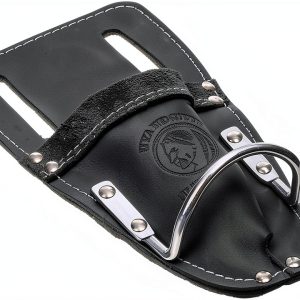
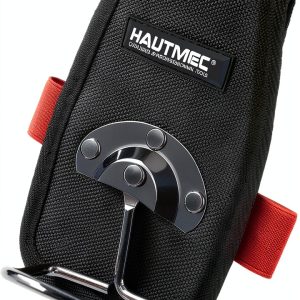
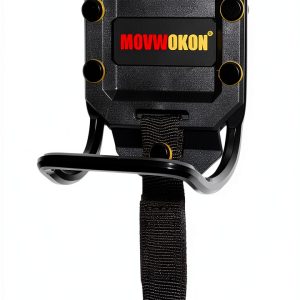 Hammer Holster for Belt - Compact Hammer Loop & Belt Holder, Durable Materials, Lightweight & Secure Fit for Electricians, Builders & DIY Enthusiasts
Reviews
There are no reviews yet.